Who handles storm damage in Palm Bay?
Call Hugo 24/7 for storm restoration in Palm Bay, including water removal and temporary protection for exposed buildings.
Reviewed by Hugo Fire & Water Restoration · Updated 2026-07-31
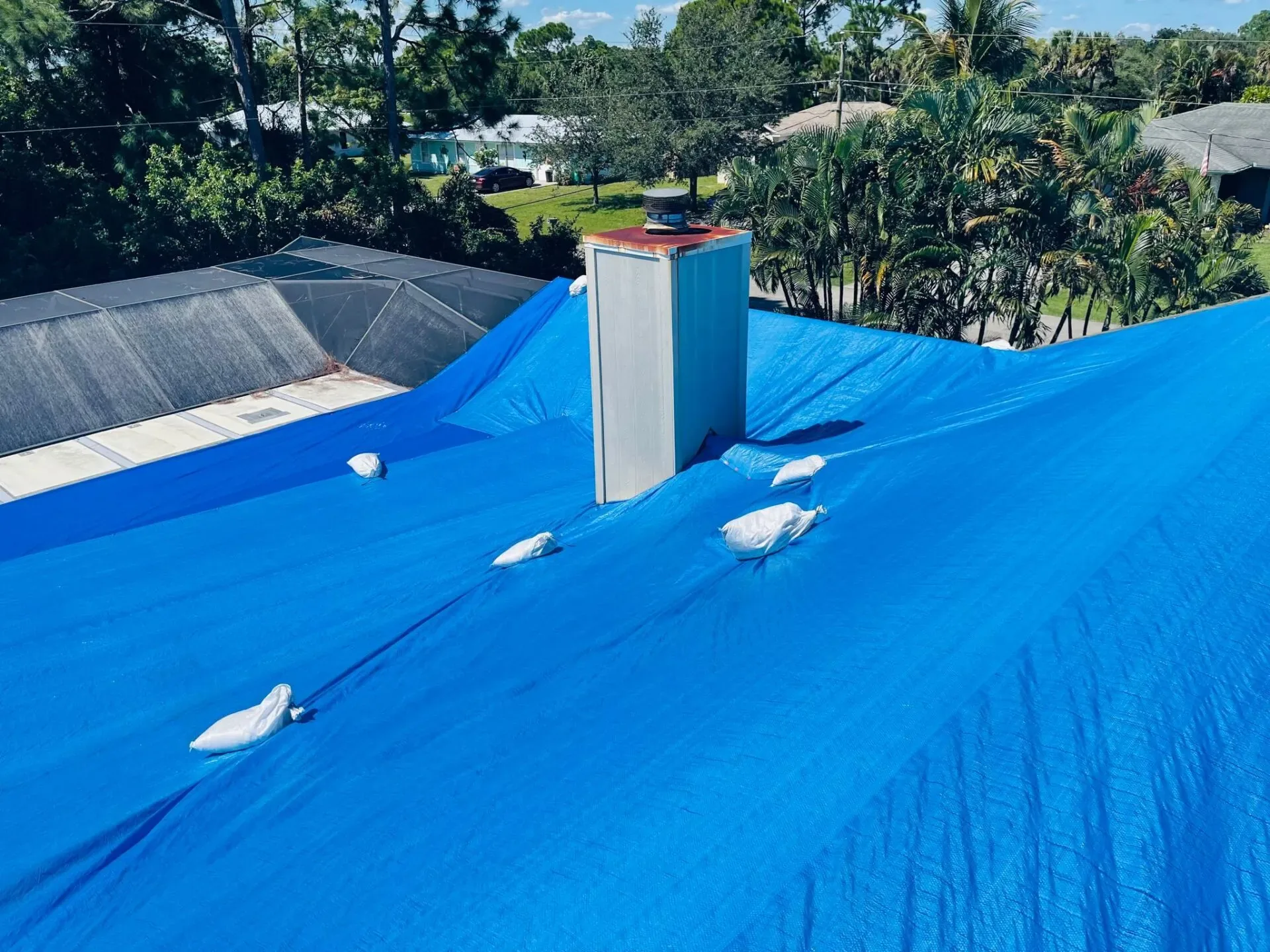
Tell us where the storm opened the building and which rooms are wet. Hugo can help assess the damage, plan temporary protection and explain the restoration work needed at your Palm Bay property.
Call 911 first for active fire, medical danger, gas odor, collapse risk, or electrical hazards.
Call Hugo 24/7 for storm restoration in Palm Bay, including water removal and temporary protection for exposed buildings.
Reviewed by Hugo Fire & Water Restoration · Updated 2026-07-31
A damaged opening, several wet rooms or shared access can change what needs assessment.
Water appearing on a ceiling may be below the entry point. Describe the affected floor and any visible exterior opening without entering the attic or climbing onto the roof.
If you discover damage overnight, call with a safe callback location and the property address. Explain whether the building is occupied and who can authorize an assessment.
For managed properties, provide the unit, floor, parking instructions and the owner or manager’s contact. Note any shared entrance or access restriction.
In a building with several occupants, name the affected units and common areas. Share any restrictions from responders or the property manager before access is arranged.
Save separate photo groups for roof or window damage, interior wet areas and damaged contents. Include the discovery date so the owner can follow the sequence of events.
Rain intrusion and outside flooding can affect the same property. Explain both if observed; the cleanup approach depends on the water source and materials involved.
From the initial report to remaining repairs, connect each step with the conditions documented at the building.
Hugo reviews the reported opening, water entry and affected areas with you. The address, unit details and approval contact help define the initial visit.
Access is considered alongside any responder restrictions, utility concerns and visible building damage. Restoration planning must account for those limits.
Assessment notes connect exterior damage with interior observations where supported by the findings. Unconfirmed entry points remain questions for investigation.
The restoration proposal identifies the affected materials and recommended work. Discuss temporary protection, removal of water and drying as applicable to the assessment.
Work records distinguish initial observations from changes found during restoration. The owner or manager can use those records when coordinating the remaining repair work.
Review remaining damage and permanent-repair needs. Keep restoration records available for the owner and any applicable building-department review.
For a Palm Bay property, explain where water entered rather than assuming every wet room has the same cause. Describe roof openings, broken windows and any water reaching the building from outside. These observations help guide the property assessment.
Palm Bay’s Building Department publishes post-storm recovery permitting and flood-information resources. Before permanent repairs, ask the department which steps apply to the property and proposed work. Temporary protection and cleanup do not establish permit or occupancy approval.
For a condo, rental or managed building, identify the unit, floor and shared access. Name the owner or manager authorizing work. Report damage affecting another unit or a common area without entering spaces you are not authorized to access.
Keep photos of exterior openings separate from records of interior water damage, and note when each was discovered. Share any building-department correspondence with the person planning permanent repairs so temporary work and repair decisions remain coordinated.
Keep restoration records with your claim paperwork. Direct coverage questions to the carrier that issued your policy.
Follow local emergency directions and keep occupants away from unsafe areas. Avoid contact with downed wires, unstable debris and water that may conceal hazards.
From somewhere safe, describe the first place water appeared and any opening you can see. A wet ceiling alone does not confirm where the water entered.
Identify the floor, room or unit for each observation. Mention damage in shared hallways or adjacent rooms without crossing an unsafe area to investigate.
Keep original photos and note when they were taken. Where access is safe, take a wide view of the room and a separate close view of visible damage.
Arrange contact with the owner or manager if you cannot authorize work. Tell us about entry restrictions and any areas that require separate access permission.
Call to discuss the visible conditions and what still needs assessment. Let the person handling the request know if water continues to enter or conditions have changed.
Explore the service that matches an additional damage condition identified during assessment.
Review wet building materials after the storm’s entry point has been assessed.
View pageRequest help with separate smoke or fire effects discovered at the site.
View pageAddress mold findings with an appropriate remediation scope.
View pageDiscuss standing-water removal as part of the site assessment.
View pageReview cleanup needs when water has entered from outside flooding.
View pageDiscuss boarding exposed doors and windows as temporary protection.
View pageAsk about roof protection while permanent repair decisions are pending.
View pagePlan the first call, coordinate building access and understand the limits of temporary work.
Hugo takes Palm Bay restoration requests 24/7. Describe the storm damage, any ongoing water entry and the property’s access conditions when you call.
Do not climb onto a storm-damaged roof to prepare for a call. Report openings or damage visible from a safe place, and explain where water appears indoors. Call 911 if there is immediate danger to life.
Identify each affected unit you know about and tell us whether shared spaces are involved. Provide the manager’s contact and explain who can approve entry and work. Do not enter another unit without authorization.
Palm Bay’s Building Department provides post-storm recovery permitting and flood-information resources. Contact the department about the steps that apply to your address and planned repairs. Restoration notes can describe damage and completed work, but they do not replace the city’s review or approvals.
Keep dated photos, room or unit labels, work descriptions and receipts. Save city correspondence with the repair records when relevant. Ask the insurance carrier which claim documents it requires and what the policy covers.
A phone description cannot establish the full repair scope. Access, inspection findings, drying needs and work authorization affect scheduling. Ask which stage an estimated date covers, especially when permanent repairs will follow temporary protection.
Cleanup records describe restoration activity. They do not grant a building permit or establish that the property can be occupied. Ask Palm Bay’s Building Department about applicable repair steps. Discuss the remaining scope with the owner and repair contractor.
Consult these agencies for storm safety and Palm Bay building information.
City resources for post-storm recovery permitting and flood information.
Read resourceIf the damaged property is outside Palm Bay, choose the page for its location.
For an address in Melbourne, use this local storm-restoration guide when preparing your request.
View pageFor an address in Titusville, use this local storm-restoration guide when preparing your request.
View pageFor an address in Cocoa, use this local storm-restoration guide when preparing your request.
View pageFor an address in Cocoa Beach, use this local storm-restoration guide when preparing your request.
View pageFor an address in Rockledge, use this local storm-restoration guide when preparing your request.
View pageFor an address in Merritt Island, use this local storm-restoration guide when preparing your request.
View pageDescribe the damage to Hugo at any hour. Have the address and the owner or manager’s contact available.
Call Now: (888) HUGONOW