Who can help with mold in Orlando?
For mold in Orlando, call Hugo 24/7 about moisture, affected materials, and a property assessment.
Reviewed by Hugo Fire & Water Restoration · Updated 2026-07-31
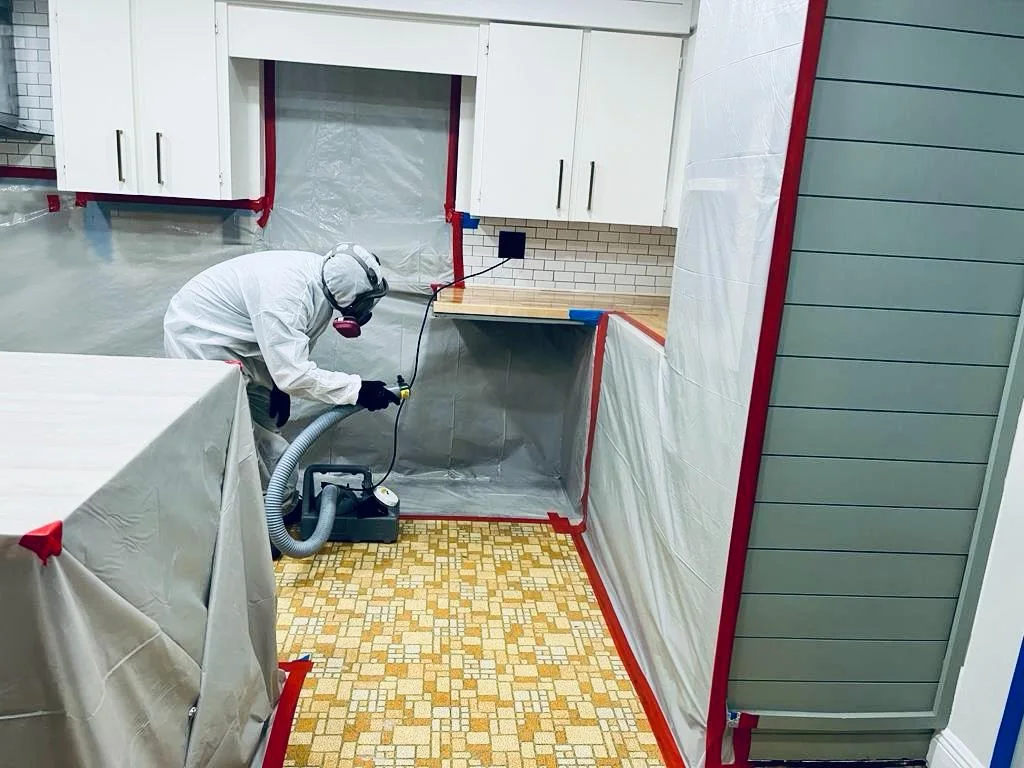
Report where you see growth or notice a musty odor, along with any recent leak. Hugo can discuss the assessment, access arrangements and proposed remediation work for your Orlando property.
Call 911 first for active fire, medical danger, gas odor, collapse risk, or electrical hazards.
For mold in Orlando, call Hugo 24/7 about moisture, affected materials, and a property assessment.
Reviewed by Hugo Fire & Water Restoration · Updated 2026-07-31
For an Orlando apartment or managed building, identify the unit and the person responsible for authorizing work. Tell us if the affected area connects to a shared hallway or another occupied space.
The City of Orlando lists indoor mold problems among issues not handled by Code Enforcement. Its resource page points residents toward other housing support. A restoration request and a housing dispute follow different paths.
Keep dated moisture reports sent to the owner or manager alongside any response and repair record. These records help explain what was observed and what changed before the assessment.
Use the actual service address when checking local resources. An Orlando mailing address alone should not be used to assume which agency handles a separate property concern.
Visible growth, an earlier leak or shared access can shape the assessment request.
Describe visible growth by room and surface without touching it. Mention whether a leak, condensation or earlier water damage was observed.
If you notice a concern at night, call with your observations and a callback number. Identify the person who can arrange access.
For an occupied unit, explain entry permissions and shared routes. Tell the property manager which areas need assessment before work is planned.
Discuss access to affected rooms and any restrictions on moving contents. Remediation planning should account for people using neighboring spaces.
A dated leak report can help connect the moisture history with later observations. Preserve the original message and any repair invoice.
If growth appears near an earlier repair, explain what work was done and when. A fresh assessment should consider the remaining moisture issue.
Leave suspect materials undisturbed while arranging professional advice. Avoid carrying affected items through occupied rooms to show someone the problem.
Explain whether the moisture problem is continuing or has been repaired. Include when odors or visible changes were first noticed.
Name each room and surface of concern, including shared areas where you have authorized access. Do not open walls to investigate.
Photograph the visible area only where access is safe. Add dates and room labels without scraping or disturbing the surface.
Notify the owner or manager if you rent. Have their approval contact ready when discussing the assessment and possible work.
Call with your observations rather than a guessed mold type. The proposed scope needs information about the property and affected materials.
Understand the proposed work, occupied-space arrangements and any remaining moisture repair.
The initial conversation reviews your observations, moisture history and the building’s occupancy. Hugo confirms how access and work approval will be arranged.
The assessment considers affected areas and restrictions before a work area is planned. Shared routes and adjacent occupants need attention.
Findings are recorded with the location and material involved. Photos and notes help connect the proposed work to the observed conditions.
Discuss the remediation scope, containment barriers and handling of affected materials before authorization. Confirm any moisture repair outside that scope.
Work notes should explain completed tasks and conditions requiring another decision. Keep the owner or manager informed about changes to access.
Review completion criteria and any remaining moisture or repair work. A housing complaint or municipal matter remains separate from remediation records.
Keep property communications separate from the remediation work record. Insurance coverage is determined through your carrier and policy.
Other restoration services depend on additional damage identified at the building.
Drying and restoration for water-damaged materials found during assessment.
View pageSeparate help for smoke or fire damage at the affected property.
View pageAssessment of storm openings that may have allowed rain indoors.
View pageRemoval of standing water if it remains in the work area.
View pageCleanup planning where outdoor flooding contributed to the damage.
View pageTemporary protection when damaged doors or windows leave the building exposed.
View pageRoof protection when an identified opening remains vulnerable to rain.
View pageAnswers for owners and tenants arranging access, documenting moisture and finding housing resources.
Hugo takes calls 24/7. Describe the visible condition, known moisture problem and access arrangements so an assessment can be discussed.
The city lists indoor mold among issues outside Code Enforcement. Its guidance links other housing resources. Remediation planning does not resolve a landlord-tenant dispute.
Report the location, discovery date and any known leak or recurring moisture. Keep a copy of the report and the response. Arrange work authorization through the appropriate property contact.
A photo can show a visible condition, but it cannot establish the complete remediation scope. Share it with the moisture history rather than relying on an image-based diagnosis.
Tell Hugo which hallways or rooms connect to the affected area. Access limits and work-area controls should be discussed before the scope is approved.
Moisture control is central to managing mold. Identify who will correct the leak or other water problem alongside the proposed remediation.
Restoration records document observations and authorized work. For a housing dispute, use the city’s listed support resources or appropriate professional advice.
Official mold guidance and Orlando’s housing-resource information.
Guidance on indoor mold concerns and links to housing resources.
Read resourceChoose a nearby mold remediation page when the damaged property is outside Orlando.
For an affected property in Apopka, review the local remediation information before calling.
View pageFor an affected property in Ocoee, review the local remediation information before calling.
View pageFor an affected property in Winter Garden, review the local remediation information before calling.
View pageFor an affected property in Winter Park, review the local remediation information before calling.
View pageFor an affected property in Lake Buena Vista, review the local remediation information before calling.
View pageFor an affected property in Maitland, review the local remediation information before calling.
View pageCall Hugo to discuss your mold concern and the moisture history. Have the unit details and approval contact available.
Call Now: (888) HUGONOW